Consulting & Reimplementation Available: This model was originally implemented in PLASIMO during my PhD. We can discuss how to implement it in another plasma simulation software upon request, or adapt your own model, add new chemistry, or create verification workflows to test it. Contact me to discuss.
Disclaimer: PLASIMO and COMSOL Multiphysics® are not affiliated with Deep Why and require the client to hold their own licenses.
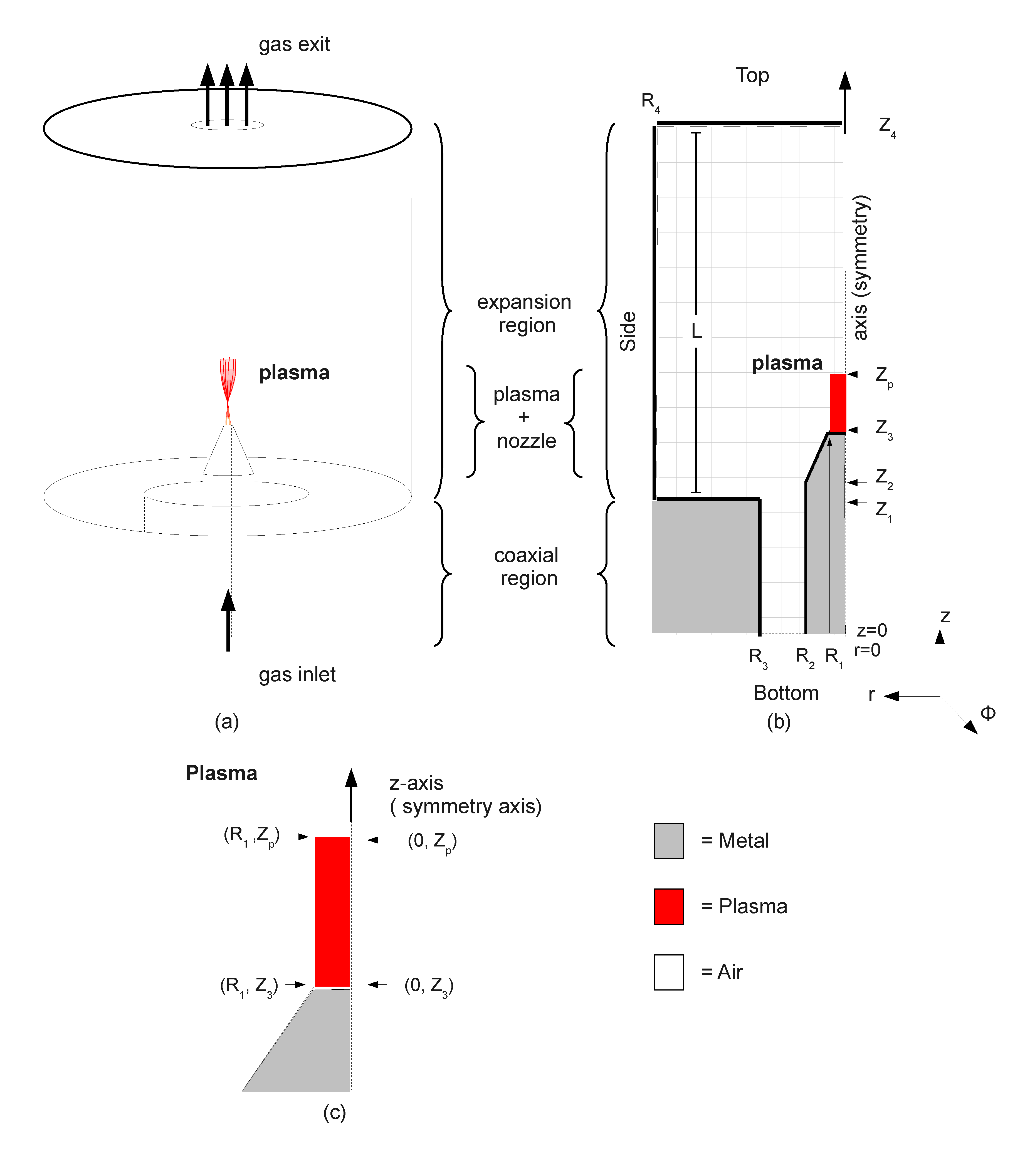
The Torche à Injection Axiale (TIA) is a microwave plasma torch widely used in various industrial and scientific applications. Properly coupling microwave energy into the plasma is critical for efficient operation and stability.
In this study, we investigated the electromagnetic (EM) characteristics of the TIA across different operating configurations: closed, semi-open, and open. We analyze power absorption, reflection, and transmission as a function of geometrical parameters, providing detailed insights into the power coupling mechanisms.
Understanding Closed, Semi-Open, and Open Configurations
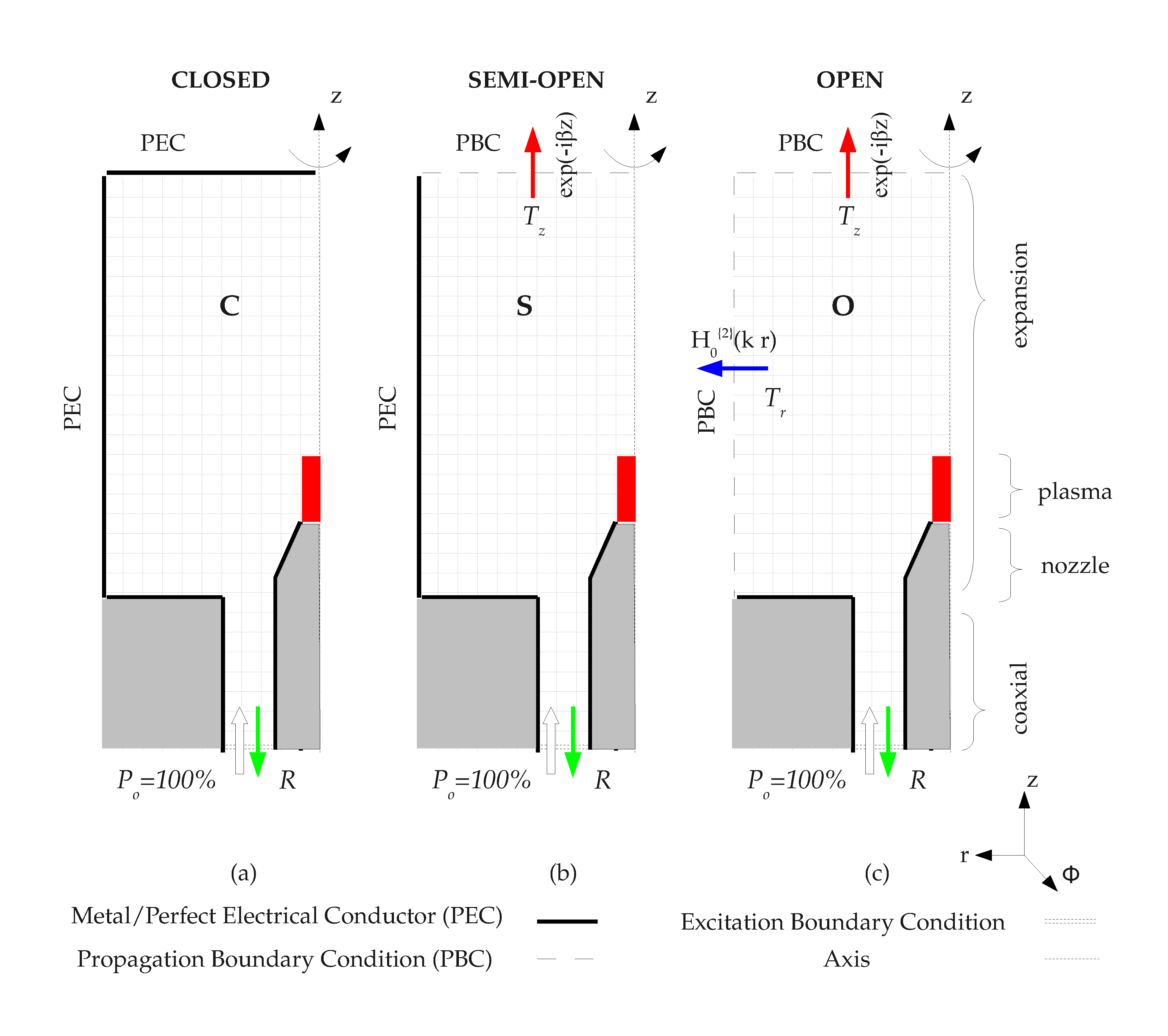
To understand the boundary conditions and their impact on electromagnetic wave propagation, we simulated three primary configurations representing how the torch is surrounded:
- Closed: The plasma and discharge tube are completely enclosed inside a conducting metallic cylinder. No electromagnetic wave can radiate or escape.
- Semi-Open: The conducting enclosure ends, but a metallic structure partially shields the field, presenting an intermediate boundary condition.
- Open: The plasma extends out of the nozzle into the open space (free-space boundary conditions), allowing electromagnetic power to be transmitted/radiated as a surface wave.
Power Coupling vs. Length
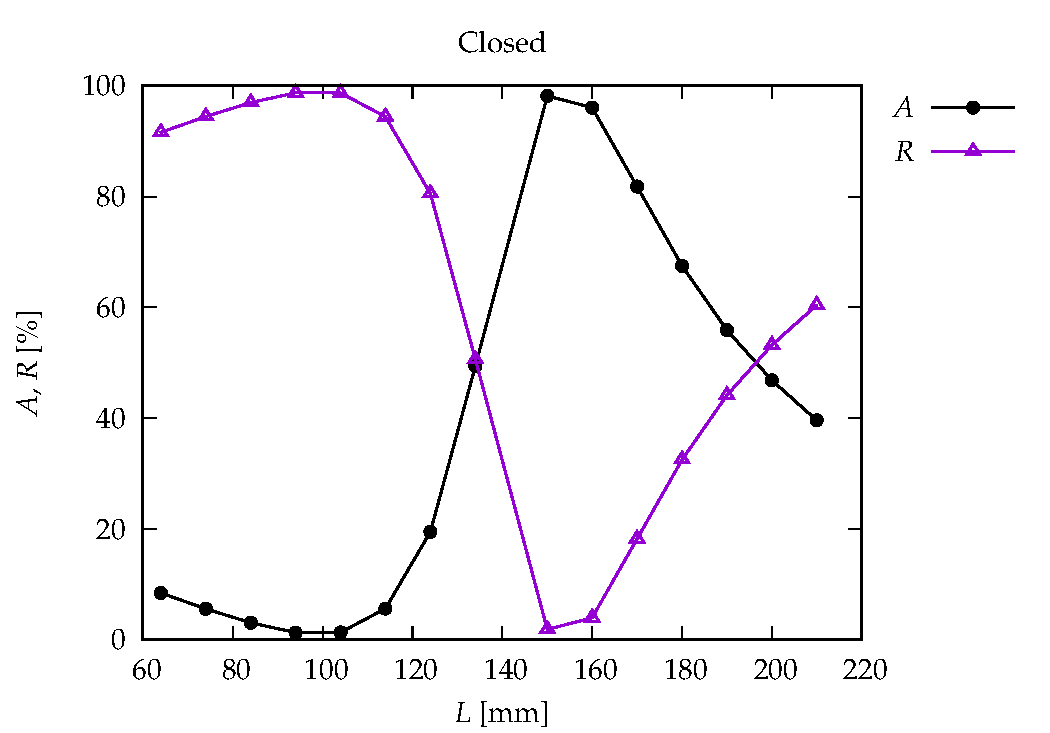
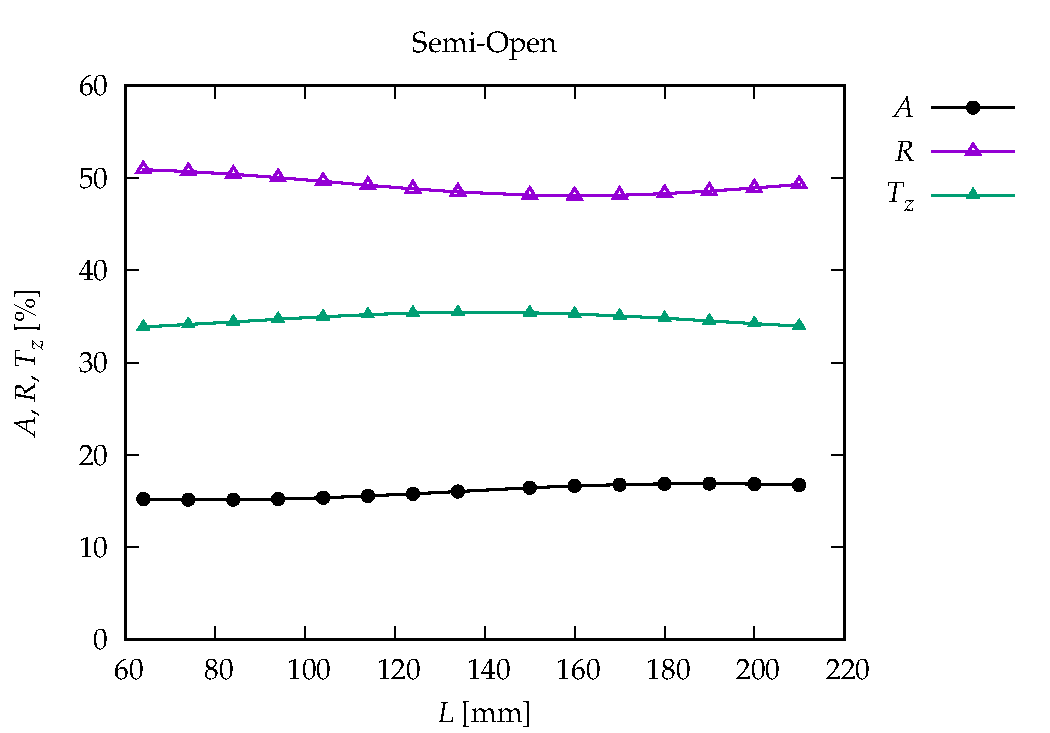
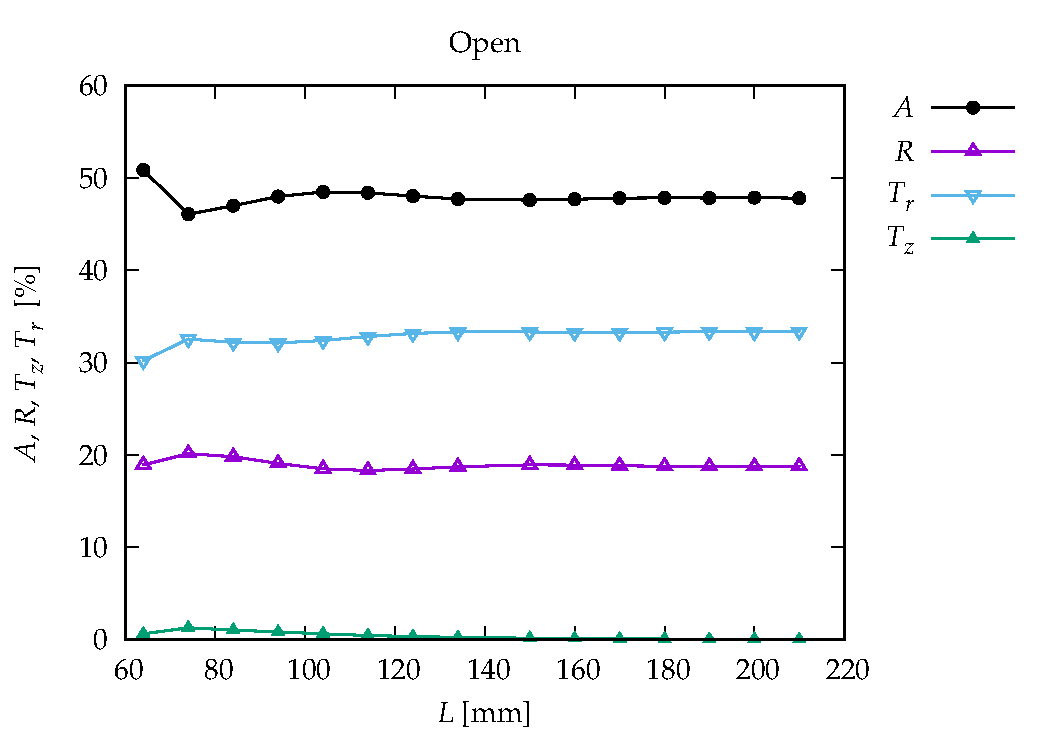
The length of the plasma and the geometry of the surrounding setup heavily influence the fraction of microwave power that is absorbed (A), reflected (R), or transmitted. The following figures show the power coupling efficiency as a function of length for closed, semi-open, and open configurations.
Dependency on Radius and Density
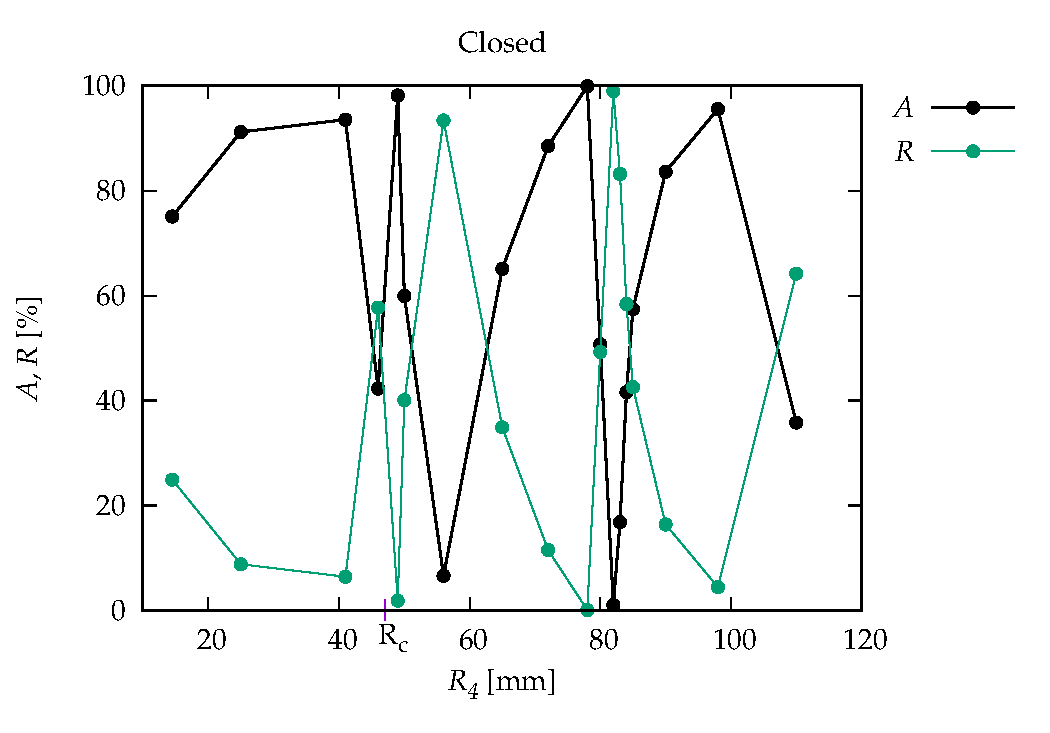
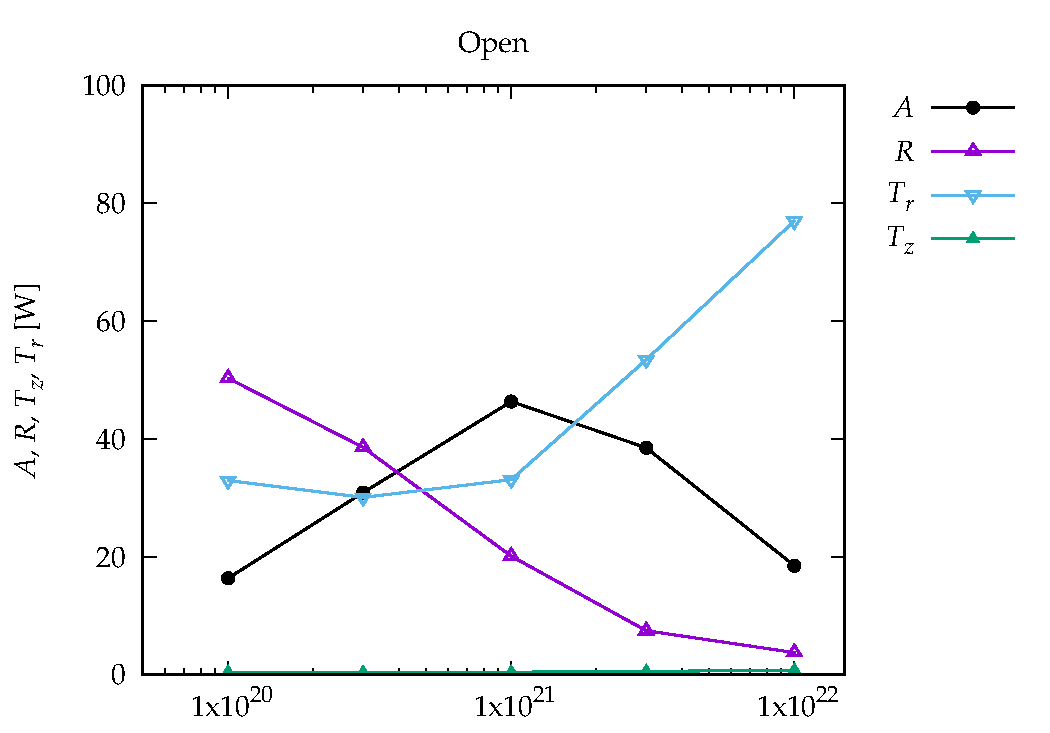
Besides the length, the radial dimensions and electron density distribution significantly affect the impedance matching of the plasma loaded resonator. Analysis over these parameters allows us to optimize the operational sweet spots for the TIA device.
Bibliography
- Jimenez-Diaz M. (2011). Modelling of microwave induced plasmas: the interplay between electromagnetism, plasma chemistry and transport. PhD Thesis, Eindhoven University of Technology (TU/e). [ read thesis pdf ]